Twenty-six trainers: five days at Malkohi
A five-day training of trainers in technical and pedagogic skills certified 26 women as vocational trainers, organized by ADSEMA in collaboration with the organization.
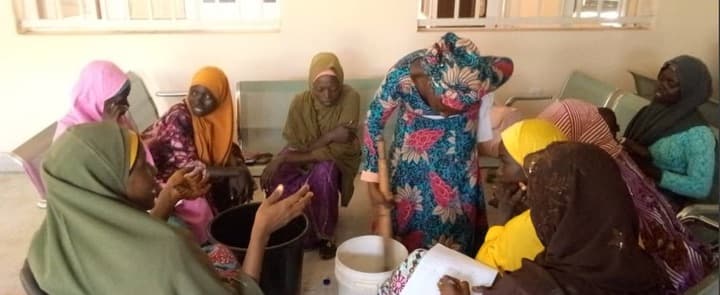
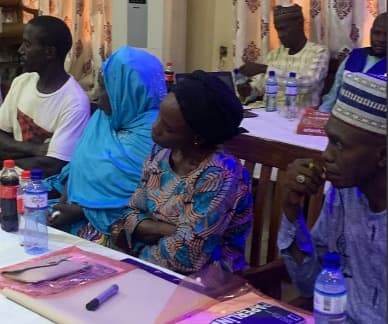
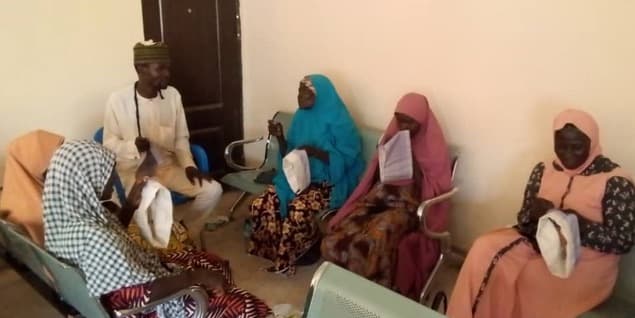
From 21 to 26 August 2024, twenty-six women spent five days at Primary Health Care, Malkohi, becoming vocational trainers. The programme was organized by the Adamawa State Emergency Management Agency in collaboration with WeCare For You International Organization, funded through the UNDP Early Recovery Project with the support of the Government of Japan.
The curriculum had two halves. The first was technical: the skills content itself, and how to deliver it. The second was pedagogic — method for adult vocational instruction, which is the half most often left out of training programmes and the half that determines whether the first one transfers. Knowing a trade and being able to teach it to an adult with limited time and no formal schooling are separate competencies.
Twenty-six women completed the programme and were certified as vocational trainers.
Training trainers rather than end-beneficiaries is a decision about arithmetic. Each of the twenty-six is now equipped to deliver vocational training onward within her own community, which multiplies the reach of the five days well beyond the twenty-six people who sat in the room. How far beyond, this update does not say: the organization's records report the twenty-six certified trainers and no onward figure, and an estimate would be exactly the kind of number that hardens into a claim.
The cohort was entirely female, also by design. Mixed cohorts carry participation barriers in this context that an all-female cohort removes — barriers that determine not only who enrols but who speaks, asks questions and practises in front of the group.
Holding the programme at Primary Health Care, Malkohi, also placed it in a community the organization was already working in that month under the same early recovery funding — so the twenty-six trainers were certified inside a programme, not adjacent to one.
The project is recorded against Sustainable Development Goals 4, 5 and 8: quality education, gender equality, and decent work and economic growth. It sits alongside the Early Recovery and Resilience Project delivered in the same month, under the same funding, in the same community.